

The Allure of Casino Games
The world of casinos is designed to captivate and enthrall players, with vibrant lights and engaging sounds that create an inviting atmosphere. This carefully crafted environment plays a crucial role in player psychology, as it stimulates excitement and curiosity. For instance, while some players explore the allure of classic games, others may find reasons to venture into crypto casinos, which offer unique experiences. The various options available, from slot machines to table games, each cater to different psychological triggers, influencing a player』s choice based on their emotional state and personality traits.

Many players are drawn to the thrill of chance and the potential for significant rewards. The psychology of gambling often involves a mix of optimism and risk-taking, where individuals may believe that their luck can lead to a big win. This sense of anticipation is a powerful motivator, prompting players to engage in games that provide immediate feedback and a clear sense of achievement, such as slots and roulette.
Player Types and Game Preferences
Understanding the different types of players is key to comprehending their game choices. Psychologists often categorize gamblers into distinct groups based on their motivations and behaviors. Some individuals seek social interaction and prefer games like poker or blackjack, where they can engage with others. Conversely, solitary players might gravitate towards slot machines, which offer a more personalized experience devoid of social pressure.
Moreover, personal experiences and cultural influences can shape preferences for certain games. For example, a player who has fond memories of family gatherings around blackjack tables may be more inclined to choose that game over others. Recognizing these intrinsic and extrinsic factors is essential to understanding why certain games appeal more to different individuals.
The Impact of Reward Systems
Reward systems play a pivotal role in the psychology of casino game choices. The concept of variable rewards, where players receive unpredictable payouts, is particularly enticing. This uncertainty enhances the thrill of gaming, keeping players engaged for longer periods. Casinos are keenly aware of this psychological phenomenon, as it effectively encourages repeat visits and prolonged play sessions.
Furthermore, the use of loyalty programs and bonuses is designed to create a sense of belonging and value among players. By offering rewards, casinos tap into players’ psychological desire for recognition and gratification, making them feel appreciated. This emotional connection can greatly influence a player’s decision to return to a specific casino or game, emphasizing the importance of strategic marketing in the gaming industry.
The Role of Emotions in Gambling Behavior
Emotions significantly impact player behavior in casinos, with many gamblers using gaming as an outlet for stress relief or escapism. The thrill of winning can provide a rush of elation, while losses may lead to feelings of frustration or disappointment. This emotional rollercoaster is a critical aspect of the gambling experience, often driving players to continue despite potential losses.
Additionally, the psychological concept of “loss aversion” plays a role in player choices. Many individuals are more motivated to avoid losses than to seek out equivalent gains, influencing their decision-making in high-stakes games. This tendency can lead to irrational betting behaviors, where players chase their losses in hopes of turning things around, illustrating the intricate relationship between emotions and gambling choices.
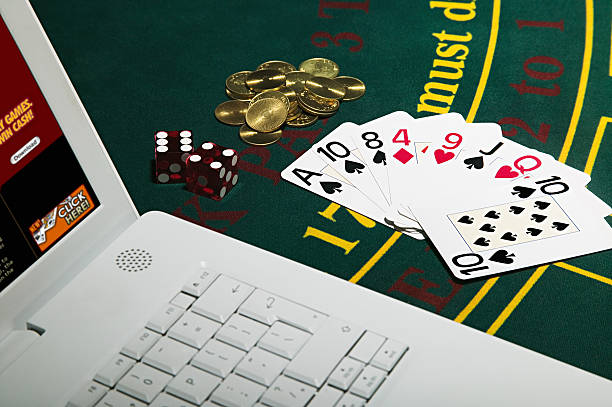
Understanding Casino Access Limitations
The exploration of casino psychology also extends to the structure and access limitations within the gaming environment. Many casinos implement restricted access to certain areas or games, which can influence player behavior and expectations. The psychology behind these restrictions can evoke curiosity and a desire to explore the forbidden, potentially altering how players perceive the gaming experience.
Moreover, the experience of encountering a “403 – Forbidden” message on a website related to casinos can evoke a mix of emotions, from confusion to curiosity. This highlights the importance of clear communication and user experience designs that guide players through their gaming journey, ensuring they remain engaged while respecting access limitations. By understanding these dynamics, casinos can create an environment that maximizes player satisfaction and retention.